Common Causes of Damage to Concrete Flatwork
People seeking damage to concrete flatwork repair often want to fix cracks, spalling, or uneven surfaces, and local contractors can provide expert solutions to restore your flatwork.
Understanding the common causes of damage to concrete flatwork is essential for property owners looking to maintain the integrity and longevity of their surfaces. Factors such as improper installation, exposure to harsh weather conditions, and heavy loads can all contribute to deterioration over time. Recognizing these issues early can help prevent more extensive damage and costly repairs down the line. Local contractors specializing in concrete flatwork repair are well-equipped to assess these risks and provide effective solutions, ensuring that your property remains safe and functional.
Property owners in the area often explore this topic to better understand how everyday conditions and environmental factors impact their concrete surfaces. Whether dealing with cracks, surface spalling, or uneven settling, knowing the common causes can guide decisions about maintenance and repair. Connecting with experienced local service providers can help address these issues promptly, restoring the durability and appearance of concrete flatwork. Keeping informed about these causes empowers property owners to take proactive steps toward protecting their investments.
- Driveway damage - When cracks or uneven surfaces develop in driveways due to heavy vehicle traffic, local contractors can assess and repair the damage to restore stability.
- Sidewalk deterioration - Cracks, spalling, or heaving in sidewalks caused by soil movement or freeze-thaw cycles can be addressed by experienced service providers.
- Patio cracking - When patios develop surface cracks or uneven areas from settling or weather exposure, local pros can perform repairs to improve appearance and safety.
- Garage floor damage - Cracks or unevenness in garage slabs caused by load stress or moisture intrusion can be repaired by qualified contractors.
- Concrete slab settlement - When concrete flatwork sinks or shifts due to soil instability, local service providers can stabilize and repair the affected areas.
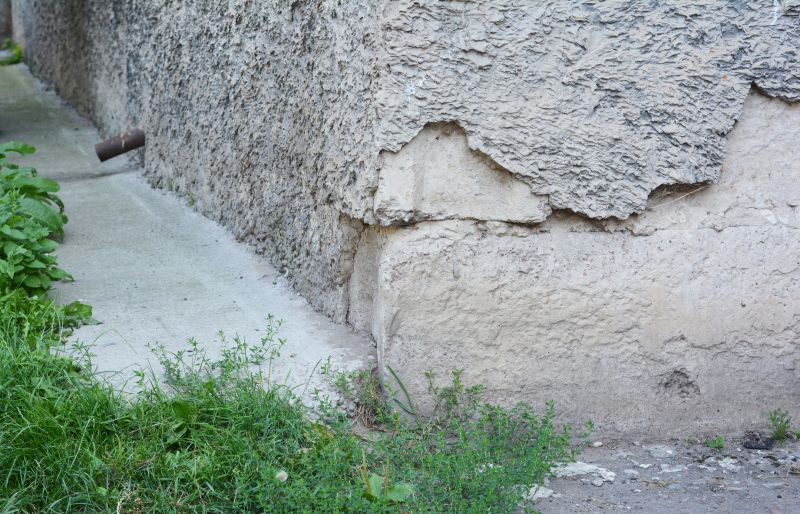
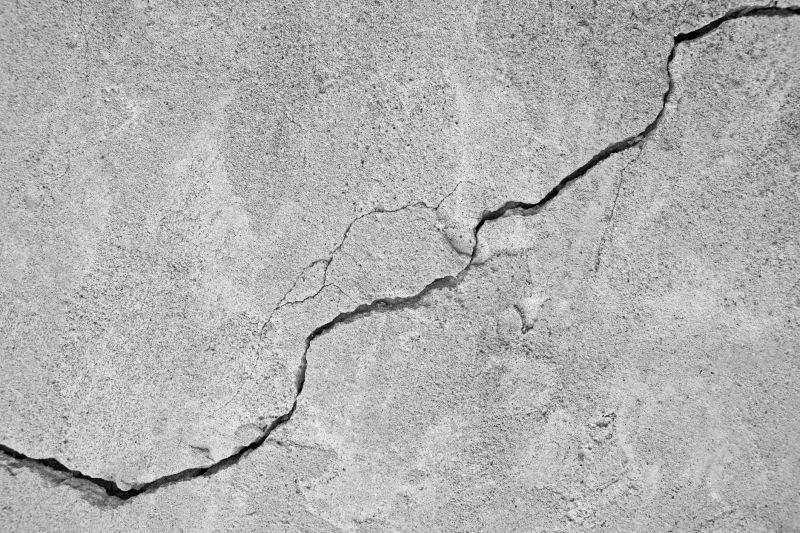
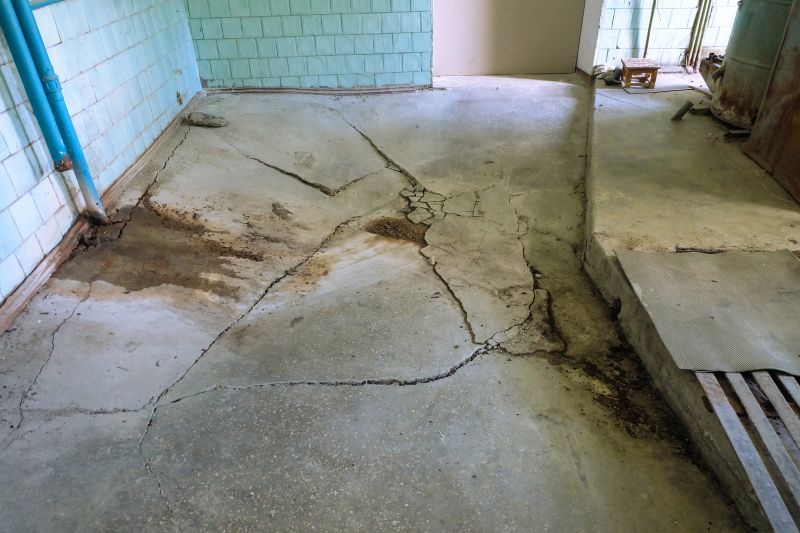
Understanding the common causes of damage to concrete flatwork is essential for homeowners who want to maintain the durability and appearance of their paved surfaces. Concrete flatwork includes features like driveways, sidewalks, patios, and garage floors. When damage occurs, it can lead to safety hazards, costly repairs, and decreased property value. Many property owners search for this topic to better understand why their concrete surfaces are cracking, sinking, or deteriorating, and to learn how to prevent further issues. Recognizing the root causes helps homeowners make informed decisions about repairs and future maintenance, often involving local contractors who specialize in concrete flatwork repair.
The problems associated with damage to concrete flatwork typically involve cracking, spalling, uneven settling, and surface deterioration. Cracks can appear due to a variety of factors, from temperature fluctuations to ground movement. Spalling, or surface flaking, often results from freeze-thaw cycles or exposure to moisture. Uneven settling occurs when the soil beneath the concrete shifts or erodes, causing the surface to become uneven or develop dips. These issues can compromise the safety and functionality of the flatwork, making it important to identify the causes early. Local service providers experienced in concrete repair can assess the damage, determine the underlying causes, and recommend appropriate solutions to restore the flatwork’s integrity.
Damage to concrete flatwork often relates to specific property types, including residential homes, commercial buildings, and public spaces. Residential properties with driveways and patios are frequently affected by issues like cracking and sinking, especially in areas with clay soils or significant temperature changes. Commercial properties may experience more extensive surface deterioration due to high traffic or heavy loads. Public spaces such as sidewalks and park paths are also vulnerable to damage from weather exposure and ground movement. Each property type presents unique challenges, and local contractors are equipped to handle repairs tailored to the specific needs of different environments, ensuring that flatwork remains safe and functional.
Preventing damage to concrete flatwork involves understanding these common causes and addressing them proactively. Factors like improper initial installation, poor soil preparation, and inadequate drainage can all contribute to deterioration over time. Additionally, exposure to harsh weather conditions, such as freeze-thaw cycles and moisture infiltration, can accelerate damage. When problems do arise, local service providers specializing in concrete flatwork repair are available to diagnose the issues accurately and implement effective solutions. They can help property owners develop maintenance plans or perform necessary repairs to extend the lifespan of their flatwork, ensuring it remains a safe and attractive feature of the property.
Pavement installation projects - these projects require planning and skillful use of tools similar to those used in repairing damage to concrete flatwork, making local contractors familiar with surface preparation and finishing techniques valuable.
Driveway construction services - constructing and repairing driveways involves understanding concrete materials and addressing issues like cracking and settling, which are common causes of damage to concrete flatwork.
Sidewalk and walkway projects - these projects involve surface leveling and crack repair skills that are directly applicable to addressing common causes of damage to concrete flatwork.
Patio and outdoor living space builds - creating durable outdoor surfaces requires knowledge of concrete curing and reinforcement, skills that are also essential in flatwork damage repair.
Garage floor coating and resurfacing - these services involve surface preparation and sealing techniques that help prevent damage and address existing issues in concrete flatwork.
Foundation repair services - addressing foundation issues often involves understanding soil movement and surface stability, which are related to the common causes of damage to concrete flatwork.
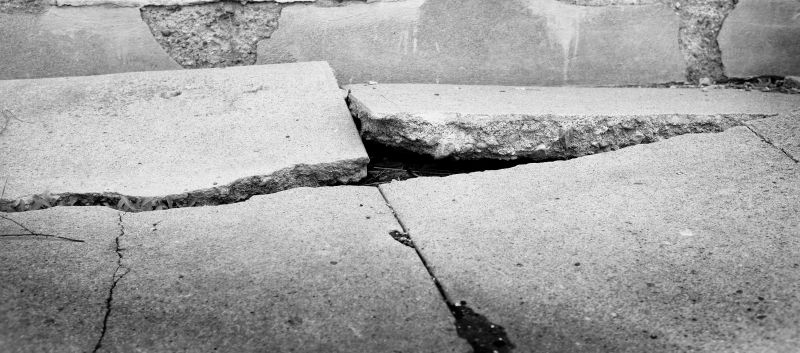
When comparing service providers for repair of concrete flatwork affected by common causes of damage, it is important to consider their experience handling similar projects. Contractors with a history of working on flatwork repair can offer insights into the specific issues that lead to deterioration, such as cracking, spalling, or heaving. Their familiarity with these common problems can help ensure that the repair approach addresses the root causes effectively, leading to a more durable and long-lasting result.
Clear written expectations are essential when evaluating local contractors for concrete flatwork repair services. A reputable service provider will be able to outline the scope of work, the materials to be used, and the steps involved in the repair process. Having this information in writing helps ensure that both parties are aligned on the project’s goals and reduces the likelihood of misunderstandings or unmet expectations later on.
Reputable references and good communication are also key factors to consider. Service providers with positive references from previous clients can demonstrate their ability to deliver quality work and handle repairs related to common causes of damage to concrete flatwork. Additionally, a contractor who communicates clearly and promptly can better understand the specific issues faced and provide tailored solutions. This level of transparency and responsiveness can contribute to a smoother project experience and a more satisfactory repair outcome.
Property owners often search for common causes of damage to concrete flatwork when they are planning practical projects around their homes and businesses. Local pros provide Damage to Concrete Flatwork Repair services for everyday jobs and straightforward project options.
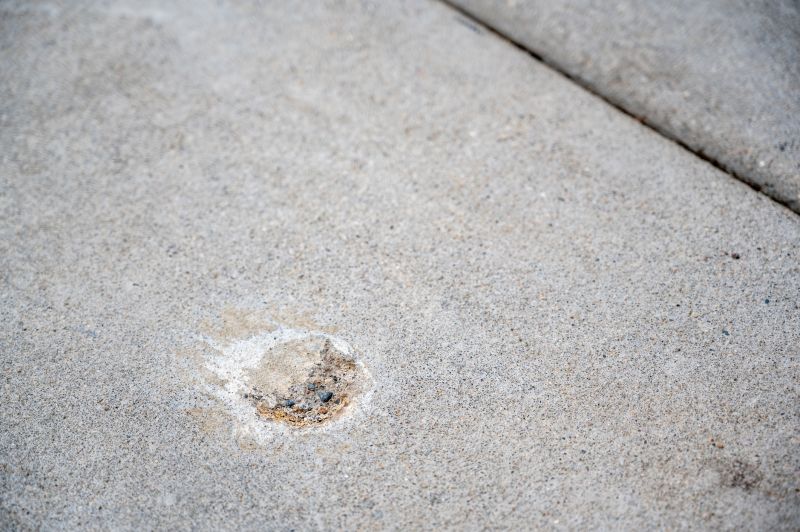
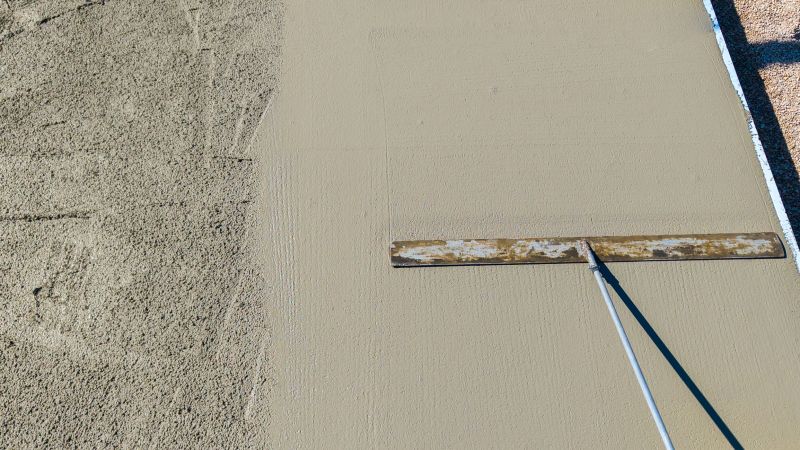
Many property owners in the area find themselves researching common causes of damage to concrete flatwork after noticing cracks, uneven surfaces, or surface deterioration in their driveways, patios, or walkways. Everyday project situations such as heavy vehicle traffic, improper initial installation, or exposure to harsh weather conditions can contribute to issues like cracking, spalling, or shifting. Understanding these typical causes can help property owners better recognize when repairs might be needed and why consulting experienced local contractors is a practical step toward restoring the integrity of their flatwork.
Other common factors include poor drainage around the concrete, which can lead to water pooling and freeze-thaw damage during colder months, as well as the use of de-icing salts that can accelerate surface deterioration. Additionally, ground movement or soil settling beneath the concrete can cause unevenness or cracking over time. When damage occurs, property owners often seek the expertise of local service providers who can assess the extent of the issues and perform repairs to extend the lifespan of their flatwork. Connecting with experienced local contractors ensures that repairs are handled properly, helping to maintain safety and curb appeal.
What are common causes of damage to concrete flatwork? Common causes include freeze-thaw cycles, improper mixing or curing, heavy loads, and exposure to chemicals or moisture that can weaken the surface over time. Local contractors can assess the damage and recommend appropriate repairs to restore the flatwork's integrity.
How does improper installation lead to damage in concrete flatwork? Poor installation practices, such as inadequate subgrade preparation or improper reinforcement, can cause cracking, sinking, or uneven surfaces. Experienced service providers can identify installation issues and perform repairs to prevent further deterioration.
Can environmental factors cause damage to concrete flatwork? Yes, exposure to moisture, freeze-thaw cycles, and temperature fluctuations can lead to cracking and surface deterioration. Local pros can evaluate environmental impacts and offer repair solutions to mitigate ongoing damage.
What role does heavy equipment or loads play in damaging concrete flatwork? Excessive weight or repeated heavy loads can cause cracking, sinking, or surface spalling. Service providers can repair and reinforce flatwork to better withstand such stresses.
How do chemical spills or exposure contribute to damage in concrete flatwork? Chemicals like de-icing salts, acids, or oils can corrode or stain the surface, leading to surface degradation. Local contractors can clean, repair, and protect flatwork to address chemical-related damage.
Heavy loads and traffic - Understanding how excessive weight can cause cracking or shifting helps property owners plan for proper load limits and seek repair services from local contractors when damage occurs.
Poor drainage and pooling - Ensuring proper slope and drainage prevents water accumulation that can weaken concrete, with local pros available to repair or improve flatwork drainage systems.
Exposure to harsh weather - Recognizing how freeze-thaw cycles and temperature changes damage concrete guides property owners to seek timely repairs from local service providers to address cracking and deterioration.
Subgrade instability - Identifying unstable soil or improper base preparation allows property owners to work with local contractors to reinforce or replace affected areas before further damage happens.
If you are thinking about common causes of damage to concrete flatwork for a property, this guide is meant to help you understand this topic, the typical project types, and how different options might fit your plans.
When you are ready, you can use the quote form on this page to share a few details about your project. From there, local pros can review the basics and follow up with options that match what you have in mind.